

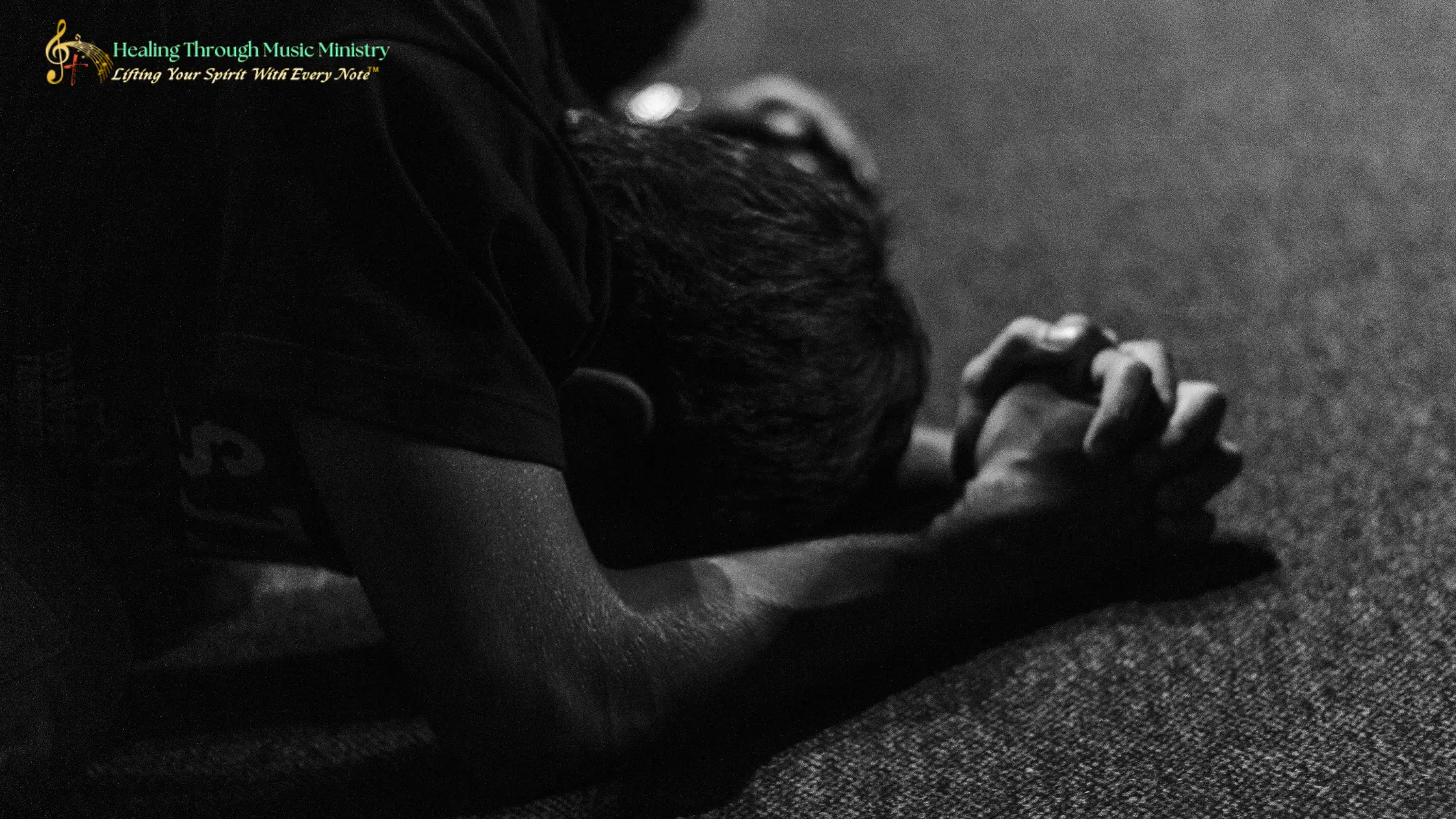
When words feel too big and melodies feel out of rThere are seasons when worship feels effortless—when praise rises naturally, when your voice feels like a clear stream flowing straight back to God. And then there are seasons like this one. Heavy. Quiet. Fractured. Seasons when your heart wants to worship, but your soul feels too bruised to sing.
If you’re here, you may be wondering if silence is your only honest offering right now. Or if the cracked, trembling sound in your chest even counts as worship. Let me gently say this first: brokenness does not disqualify you from worship. In many ways, it’s the doorway into the deepest kind.
each, worship doesn’t have to be loud or polished. It doesn’t have to be “strong.” It just has to be true.
Sometimes, the most sacred songs are the ones that barely make it past your lips.
When you feel too broken to worship, it’s often because the songs you’re trying to sing don’t match the season you’re in. Many worship songs celebrate victory, joy, and confidence—and those are beautiful. But when you’re grieving, exhausted, or spiritually worn thin, forcing yourself to sing triumph can feel dishonest, even painful.
This is where gentler songs come in. Songs that don’t rush healing. Songs that make room for tears. Songs that sit with God rather than perform for Him.
Scripture reminds us of this truth with quiet clarity: “The Lord is close to the brokenhearted and saves those who are crushed in spirit” (Psalm 34:18). God does not wait for you to be whole before drawing near. He comes closest when your spirit feels most fragile.
So what do you sing when you feel too broken to worship?
You sing songs that breathe rather than shout. Songs built on simple phrases, repeated gently, allowing your nervous system and your spirit to settle. Songs that don’t demand emotional energy you don’t have. Sometimes that means humming instead of singing. Sometimes it means letting a single line become your entire prayer.
There is healing power in music when it meets you exactly where you are. Not where you think you should be.
In my work supporting adults through emotional healing through music, I often encounter parents, caregivers, and people carrying quiet burdens who believe worship must sound a certain way to “count.” Strong vocals. Clear tone. Confident delivery. But worship is not an audition. It is an offering. And offerings can be whispered.
When your voice feels tight or unsteady, that’s not failure. That’s information. Your body is telling the truth your words may not yet know how to say. Through gentle worship support and voice coaching, I’ve learned that singing softly, within a comfortable range, can help release stored emotion without overwhelming you. This isn’t about fixing your voice or achieving perfection—it’s about giving yourself permission.
Permission to sing softly. Permission to pause. Permission to sound exactly like yourself today.
When you’re ready to reconnect with your voice in worship, that journey doesn’t have to be lonely. Voice coaching for adults who’ve experienced emotional strain isn’t about technique first—it’s about trust. Trust that your imperfect offering is enough. Trust that singing confidence in worship can be rebuilt one gentle note at a time, in a space where brokenness is not something to overcome before you begin, but something you bring with you.
If you’re struggling to worship right now, here are a few gentle reflections you might hold with you:
Choose songs that feel like prayers, not proclamations. Look for lyrics that speak of trust, waiting, or simply staying. Songs with repetitive, meditative phrases can become anchors when your thoughts feel scattered. Even repeating God’s name slowly can be enough. You are not required to explain your pain to Him—He already understands it.
Allow your voice to be imperfect. Cracks, sighs, and breathy tones are not distractions to God. They are evidence of a heart still reaching. That tremble in your voice? It’s honest. And honesty is what God honors. Singing quietly, even uncertainly, can actually help rebuild your connection to worship, especially after seasons of grief or emotional exhaustion.
Remember that listening can also be worship. If singing feels impossible today, let the music carry you. Rest your hand on your chest. Breathe. Let the sound remind you that you are not alone at this moment. Worship doesn’t always require words—sometimes it only requires presence.
Healing does not always arrive with a breakthrough chorus. Sometimes it comes like a slow exhale after holding your breath for too long.
There is no rush here.
Worship is not about proving your faith—it’s about staying connected when faith feels thin. When you sing through brokenness, you are not doing it wrong. You are doing it honestly.
And honesty is holy.
If you find yourself longing to sing again—not just as a task, but as a lifeline—know that support exists for that journey. Music and emotional healing walk hand in hand, and your voice can become part of that process. Not by forcing strength you don’t have, but by allowing your voice to walk alongside your healing, meeting you exactly where you are.
You don’t have to sound strong to worship. You don’t have to feel whole to sing. You only have to be willing to show up, even if all you can offer today is a breath.
God meets us there. Right in the quiet. Right in the broken. Right where your voice trembles and your heart still reaches—that’s where worship begins again.